

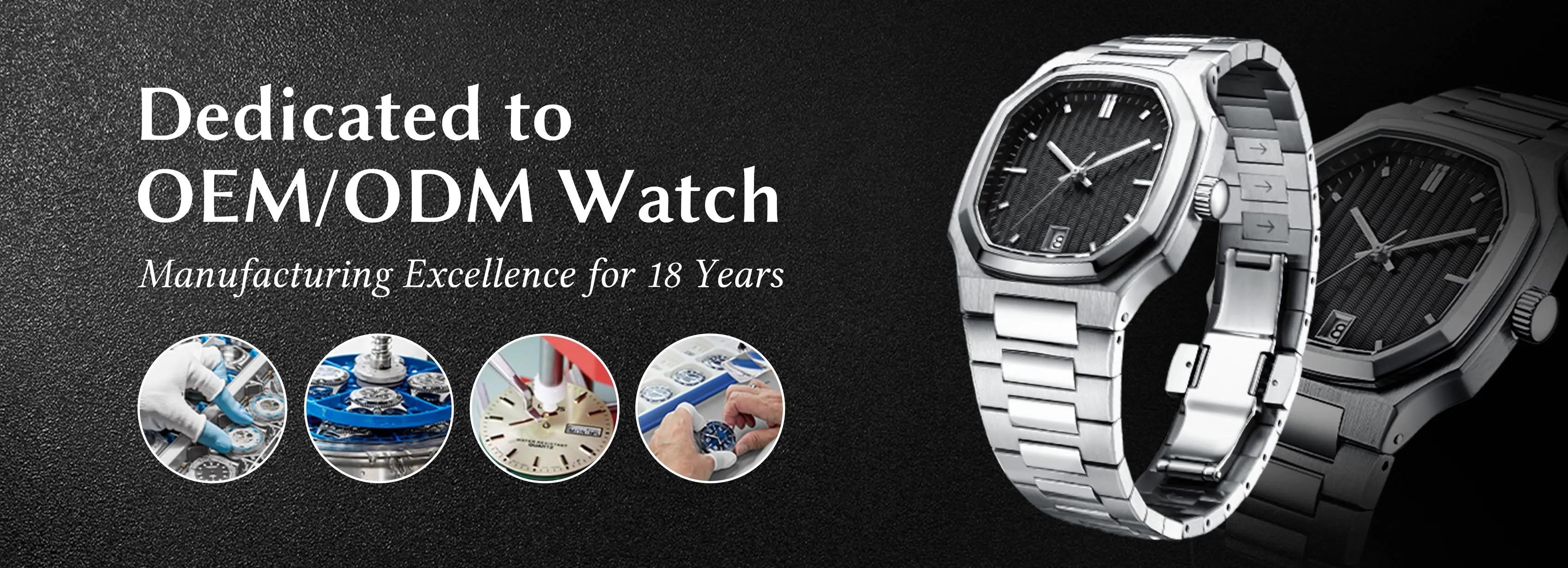
Creating a quality watch involves a series of carefully coordinated stages, from the initial design concept to final inspection and packaging. For chronograph watches, the process can require particular attention because the additional timing functions and detailed dial arrangements involve multiple components. Understanding the general manufacturing process can help businesses appreciate the work involved in producing customized timepieces. Learn more about OEM/ODM Chronograph Watch.
Developing the Initial Design
The manufacturing process typically begins with a product concept. A brand may have a specific idea for the appearance, size, functions, or target market of a watch. Designers and manufacturers can then discuss details such as case shape, dial layout, colors, hands, straps, movement, and branding elements. For OEM and ODM projects, this stage establishes the basic direction of the finished product.
Selecting Components and Materials
Once the design has been established, appropriate components and materials need to be considered. The case, crystal, dial, hands, movement, crown, pushers, and strap all contribute to the final watch. Chronograph models may require additional components associated with their timing functions. Material selection can also influence appearance, durability, weight, and production costs, making it an important part of the development process.
Prototype Development
A prototype provides an opportunity to evaluate the proposed design before larger quantities are manufactured. During this stage, businesses can examine proportions, dial details, colors, finishes, strap combinations, and other characteristics. If adjustments are necessary, they can be discussed before mass production. Prototyping can therefore help reduce misunderstandings and ensure that the finished product is closer to the intended design.
Assembly and Production
After the specifications have been approved, production can begin. Components are prepared and assembled according to the established requirements. The movement is fitted into the case, while the dial, hands, crown, pushers, crystal, and strap are incorporated into the appropriate stages of assembly. Each part needs to work together correctly to create a functional and visually consistent timepiece.
Quality Inspection
Quality control is an important stage of watch manufacturing. Finished watches may be inspected for appearance, assembly, movement performance, and other specified requirements. Details such as dial alignment, hand positioning, case finishing, strap attachment, and overall presentation can be reviewed. Careful inspection helps identify products that do not meet the expected standards before they reach customers.
Packaging and Delivery
Once watches have passed the required inspections, they can be prepared for packaging and shipment. Customized packaging may be developed as part of an OEM or ODM project to complement the brand's identity. Proper packaging protects the watches during transportation while also providing a professional presentation.
From the first design idea to the final inspection, watch manufacturing involves numerous coordinated steps. A structured process allows brands and manufacturers to work together effectively and turn concepts into finished chronograph watches that combine appropriate functionality, appearance, and quality.
Developing the Initial Design
The manufacturing process typically begins with a product concept. A brand may have a specific idea for the appearance, size, functions, or target market of a watch. Designers and manufacturers can then discuss details such as case shape, dial layout, colors, hands, straps, movement, and branding elements. For OEM and ODM projects, this stage establishes the basic direction of the finished product.
Selecting Components and Materials
Once the design has been established, appropriate components and materials need to be considered. The case, crystal, dial, hands, movement, crown, pushers, and strap all contribute to the final watch. Chronograph models may require additional components associated with their timing functions. Material selection can also influence appearance, durability, weight, and production costs, making it an important part of the development process.
Prototype Development
A prototype provides an opportunity to evaluate the proposed design before larger quantities are manufactured. During this stage, businesses can examine proportions, dial details, colors, finishes, strap combinations, and other characteristics. If adjustments are necessary, they can be discussed before mass production. Prototyping can therefore help reduce misunderstandings and ensure that the finished product is closer to the intended design.
Assembly and Production
After the specifications have been approved, production can begin. Components are prepared and assembled according to the established requirements. The movement is fitted into the case, while the dial, hands, crown, pushers, crystal, and strap are incorporated into the appropriate stages of assembly. Each part needs to work together correctly to create a functional and visually consistent timepiece.
Quality Inspection
Quality control is an important stage of watch manufacturing. Finished watches may be inspected for appearance, assembly, movement performance, and other specified requirements. Details such as dial alignment, hand positioning, case finishing, strap attachment, and overall presentation can be reviewed. Careful inspection helps identify products that do not meet the expected standards before they reach customers.
Packaging and Delivery
Once watches have passed the required inspections, they can be prepared for packaging and shipment. Customized packaging may be developed as part of an OEM or ODM project to complement the brand's identity. Proper packaging protects the watches during transportation while also providing a professional presentation.
From the first design idea to the final inspection, watch manufacturing involves numerous coordinated steps. A structured process allows brands and manufacturers to work together effectively and turn concepts into finished chronograph watches that combine appropriate functionality, appearance, and quality.
Developing the Initial Design
The manufacturing process typically begins with a product concept. A brand may have a specific idea for the appearance, size, functions, or target market of a watch. Designers and manufacturers can then discuss details such as case shape, dial layout, colors, hands, straps, movement, and branding elements. For OEM and ODM projects, this stage establishes the basic direction of the finished product.
Selecting Components and Materials
Once the design has been established, appropriate components and materials need to be considered. The case, crystal, dial, hands, movement, crown, pushers, and strap all contribute to the final watch. Chronograph models may require additional components associated with their timing functions. Material selection can also influence appearance, durability, weight, and production costs, making it an important part of the development process.
Prototype Development
A prototype provides an opportunity to evaluate the proposed design before larger quantities are manufactured. During this stage, businesses can examine proportions, dial details, colors, finishes, strap combinations, and other characteristics. If adjustments are necessary, they can be discussed before mass production. Prototyping can therefore help reduce misunderstandings and ensure that the finished product is closer to the intended design.
Assembly and Production
After the specifications have been approved, production can begin. Components are prepared and assembled according to the established requirements. The movement is fitted into the case, while the dial, hands, crown, pushers, crystal, and strap are incorporated into the appropriate stages of assembly. Each part needs to work together correctly to create a functional and visually consistent timepiece.
Quality Inspection
Quality control is an important stage of watch manufacturing. Finished watches may be inspected for appearance, assembly, movement performance, and other specified requirements. Details such as dial alignment, hand positioning, case finishing, strap attachment, and overall presentation can be reviewed. Careful inspection helps identify products that do not meet the expected standards before they reach customers.
Packaging and Delivery
Once watches have passed the required inspections, they can be prepared for packaging and shipment. Customized packaging may be developed as part of an OEM or ODM project to complement the brand's identity. Proper packaging protects the watches during transportation while also providing a professional presentation.
From the first design idea to the final inspection, watch manufacturing involves numerous coordinated steps. A structured process allows brands and manufacturers to work together effectively and turn concepts into finished chronograph watches that combine appropriate functionality, appearance, and quality.